Can You Get Fit With At-Home Workouts? Real Results
Can you actually get fit from at-home workouts?
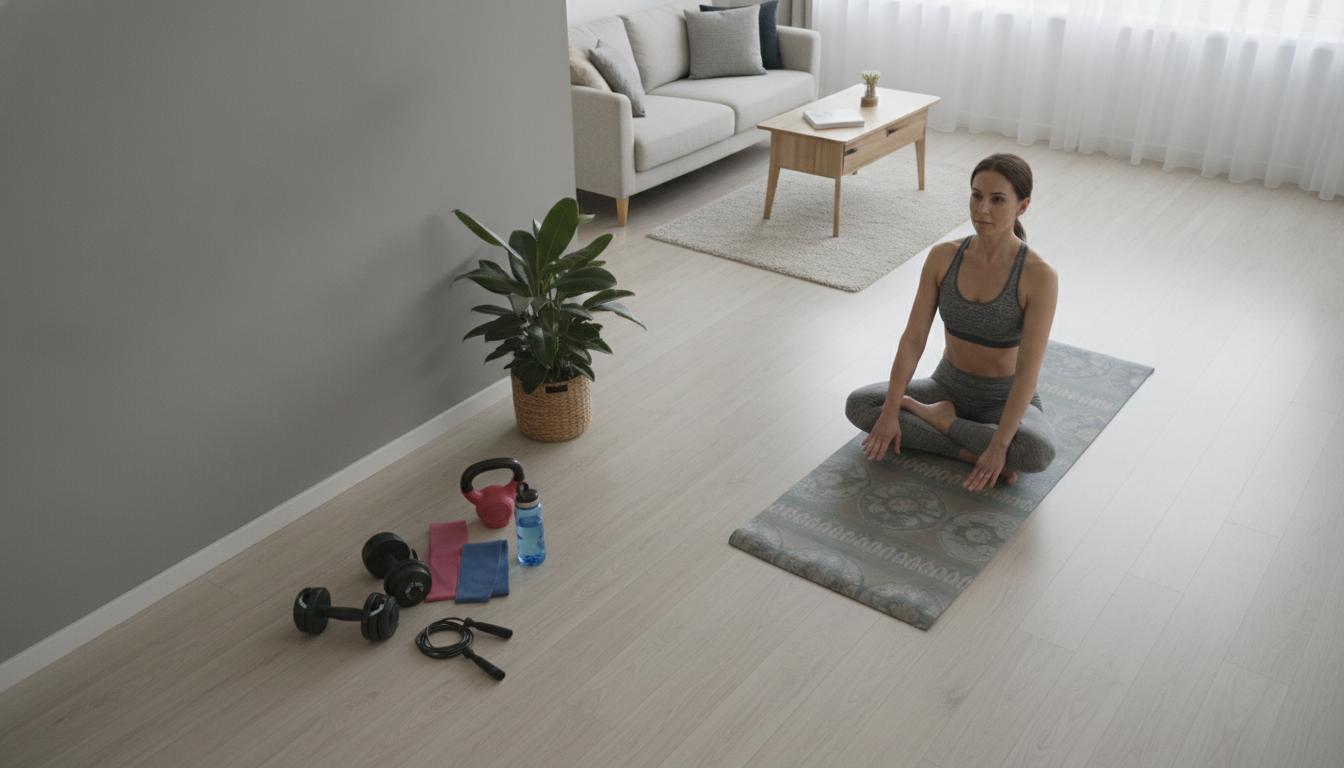
Yes—at-home workouts can absolutely build fitness when they’re structured, progressive, and done consistently. “Getting fit” can mean improving strength, endurance, mobility, or body composition, and you can make real gains at home using bodyweight moves, resistance bands, dumbbells, or even household items. The key is not where you train, but whether your plan challenges you over time and matches your goals.
What makes home workouts effective?
Effective at-home training usually includes three essentials: progressive overload, balanced programming, and recovery. Progressive overload means you gradually increase the difficulty—more reps, more sets, slower tempo, less rest, or added resistance. Balanced programming hits major movement patterns (squat/lunge, hinge, push, pull, carry/core) so you get stronger without overworking the same joints. Recovery—sleep, hydration, and rest days—lets your body adapt so workouts translate into results.
What results can you expect?
With a consistent routine, many people notice better stamina and energy within a couple of weeks, improved strength and muscle tone in a month, and more visible changes over several months. Fat loss can happen with at-home workouts too, especially when combined with a calorie-controlled diet and a mix of strength training and cardio. Mobility work and stretching can also improve posture and reduce stiffness, making everyday movement feel easier.
How do you keep progressing without a gym?
You can progress at home by tracking workouts and using simple upgrades: increase range of motion (like deeper squats), add pauses, slow down the lowering phase, shorten rest periods, or choose harder variations (incline push-ups to floor push-ups, then feet-elevated). If you have minimal equipment, bands and adjustable dumbbells offer a lot of room for growth without taking up much space.
A practical way to get started
If you want a clear schedule that removes guesswork, follow a structured plan that blends daily workouts with stretching and recovery. A guided routine can help you stay consistent, avoid overtraining, and steadily level up from week to week. For a step-by-step schedule, see the 4-week at-home workout plan.
FAQ
How often should you work out at home to see results?
Most people see solid progress with 3–5 workouts per week, especially if sessions include full-body strength work and a bit of cardio. Consistency matters more than long workouts, so aim for a schedule you can maintain.















Leave a comment